What Actually Happens After You Book Your Wedding Florist Through Your Planner: A Bay Area Florist's Timeline
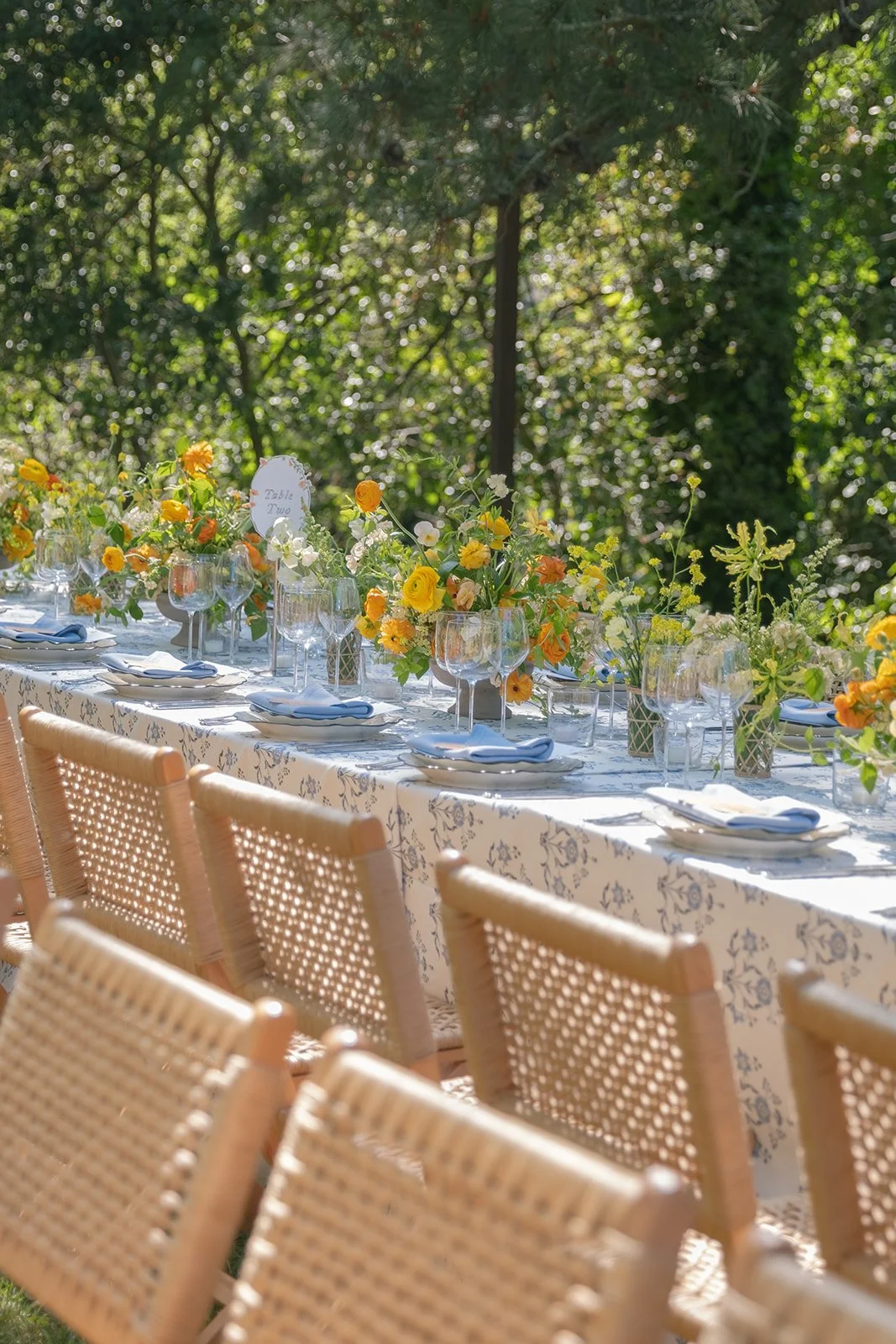
Photography by Alicia Rinka | Planning by Stafford Creative Co | at The Buehler Estate
You’ve booked your planner. They’ve connected you with your florist. The contract is signed, the retainer is paid.
So now what?
For most couples, the period between officially booking your wedding florist and actually seeing your floral vision come to life can feel a little mysterious. You know your vendor team is working behind the scenes, but unless you’ve planned a wedding before, it’s not always clear what’s happening, when key decisions are made, or how everything ultimately comes together.
The good news: there’s a very intentional process behind it all.
As a San Francisco Bay Area wedding florist working closely with couples and planners across San Francisco, Napa, Sonoma, and beyond, I guide clients through a thoughtful floral design process that evolves over time, from initial booking to final installation.
This post breaks down what actually happens after you book your wedding florist through your planner, including the timeline, major milestones, and behind-the-scenes work that transforms early inspiration into a fully realized wedding floral experience.
The Week You Book
First, congratulations, this is when your floral design process truly begins to take shape.
Within the first 7-10 days after booking, a lot happens behind the scenes to create a strong foundation for the months ahead. Here’s what that typically looks like:
You’ll receive a welcome guide outlining key dates, deliverables, and an overview of what to expect throughout the floral planning process.
We’ll review and organize the design direction your planner has already shared, including your palette, aesthetic, priorities, overall scale, and the moments that matter most to you.
You’ll be added to a collaborative client workflow where you can access our planning resources, deadlines, scheduling tools, and a centralized place for your evolving inspiration.
If you’re working with a full-service planner, this is often the point where you can sit back a bit. Your planner and florist are actively collaborating behind the scenes, allowing you to step away from managing every moving piece yourself.
For couples, this stage is less about making constant decisions and more about gathering thoughtful inspiration, refining preferences, and trusting that the process is already underway.
4-6 Months Out: Design Direction
At this stage, we’ll begin to build on the foundation your planner has already established to create a custom floral design plan.
Many couples assume floral design happens independently, but the strongest event design is highly collaborative. Your florals are developed in conversation with the broader visual experience, including linens, tabletop details, lighting, paper goods, rentals, furniture, and the venue itself.
Behind the scenes during this phase, several important things are happening:
I’m pulling reference imagery, refining inspiration, and beginning to source potential floral ingredients and vessel options.
Your planner and I are actively collaborating on the overall event design to ensure every visual element feels cohesive.
We’re identifying which spaces and moments will carry the greatest floral impact.
I’m reviewing any new inspiration, evolving preferences, or additional requests you’ve shared along the way.
Toward the end of this window, you’ll receive the first draft of your comprehensive floral design deck, which includes a refined palette direction, ingredient recommendations, vessel suggestions, and key floral moment renderings.
From there, we’ll schedule a virtual design meeting, typically lasting around one hour, where we’ll walk through the plan together, discuss feedback, and refine details.
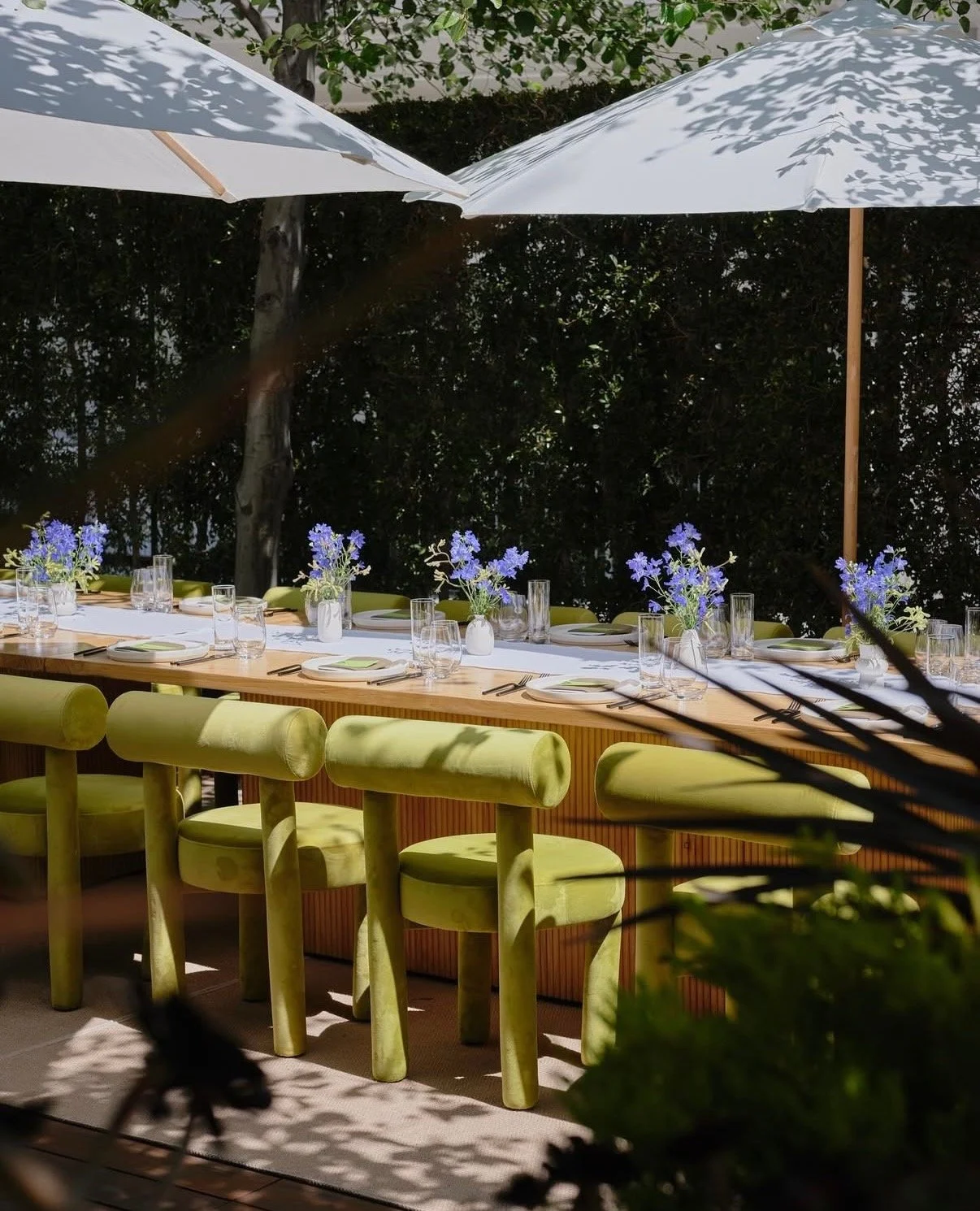
3-4 Months Out: Refinement and Budget Conversations
This is often one of the quieter phases for couples, but behind the scenes, a lot is being fine-tuned.
At this stage, we’re focused on refining and strengthening the floral plan by:
Tightening the palette
Swapping or refining flower varieties
Adjusting scale based on venue layout
Incorporating feedback from you and your planner
Finalizing updates within your planner’s master design document
We’re also actively balancing floral vision with budget.
Sometimes that means prioritizing statement installations while simplifying smaller moments. Other times, it may involve adjusting ingredients or mechanics to maximize impact.
In parallel, we’re coordinating with the broader vendor team, including rentals, lighting, paper goods, and venue logistics, to ensure florals integrate seamlessly into the overall event design.
For most couples, this phase should feel relatively calm. Your planner and florist are doing the heavy lifting, allowing you to trust the process while the design continues to evolve thoughtfully behind the scenes.
1-2 Months Out: The Site Visit and Tablescape Mockup
This is one of my favorite parts of the process. Standing in the actual venue, walking the ceremony space, looking at how the light hits, previewing a mockup tablescape. These are the things we can't see from a design deck.
Site visits. Your planner and I will walk the venue together (sometimes with you, sometimes without, it just depends on logistics and how your planner runs things). This helps shapes the floral scope, scale, as well as logistics.
Tablescape mockups. Around this same window, you’ll have the option to have us set up a full preview of your table design in coordination with your planner. Together we’ll include linens, dinnerware, glassware, candles, and sample florals, so you, your planner, and I can evaluate how everything actually interacts in the room. We adjust arrangement height, candle placement, vessel tone, palette, etc. The changes are usually subtle, but they make all the difference.
6-8 Weeks Out: Ingredients and Vessels Get Finalized
This is when we plan out the specific flower varieties for your wedding, when we have a realistic picture of what's actually blooming at local farms and what’s looking best for your design, palette, and season.
In this phase we’re balancing:
What's actually blooming (weather shifts this every year)
What colors are looking like
Which farms have the varieties and counts we need
Tabletop details including flower vases, vessels, and candles
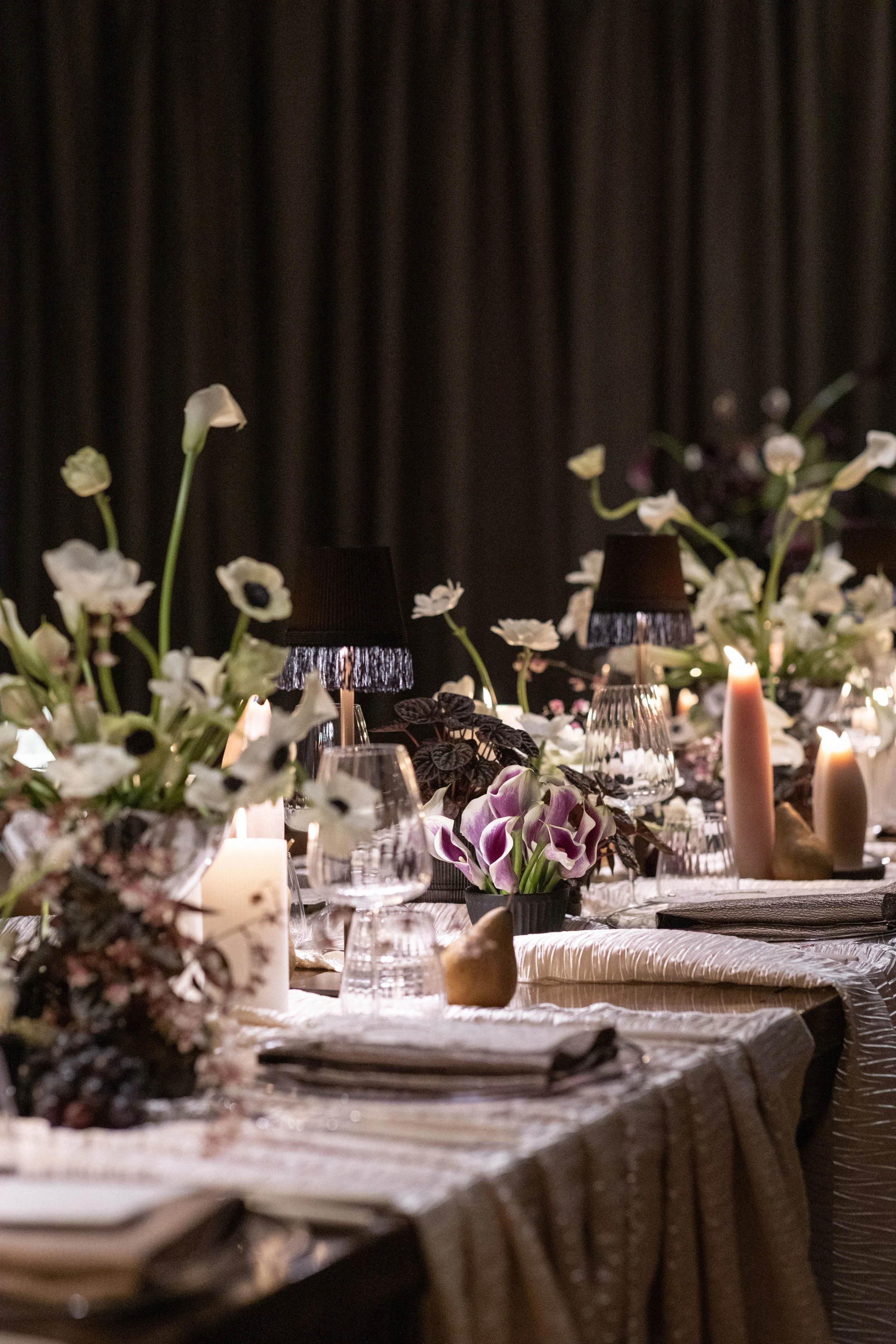
Planning: Harlene Events | Venue/Catering: The Charter Oak | Photography: Chelsea Gee
The Final Month: Logistics, Logistics, Logistics
Okay, this is the part couples rarely think about. And that's a good thing!
In the four weeks before your wedding, your planner and I are working through dozens of small logistical details so the day actually goes smoothly. None of this is glamorous but all of it is essential.
Just a few of the details we’re squaring away:
Venue access and load-in times
Installation windows for the floral team
Coordination with rentals on timing around table setup
Ceremony-to-reception flips and arrangement repurposing
Ladder, lift, or rigging needs for larger installations
Venue rules and restrictions
Strike timing and breakdown at the end of the night
A bit boring, but very important!
This is also when we finalize your floral order and quantities, confirm final payment (due 30 days out), and review the day-of timeline that your planner has built. By the week of your wedding, everyone is working from the same playbook.
The Wedding Week and Day
By the wedding week, the design is locked. The flowers are arriving. My team is processing, conditioning, and beginning to build.
On the day itself:
The floral team arrives at the venue during the installation window your planner and venue set.
We install ceremony florals first, deliver the bridal bouquet and personals, then move to reception setup.
Sometimes we flip arrangements from ceremony to reception if part of the plan!
Toward the end of the night, we manage the floral breakdown and cleanup and leave the venue spotless.
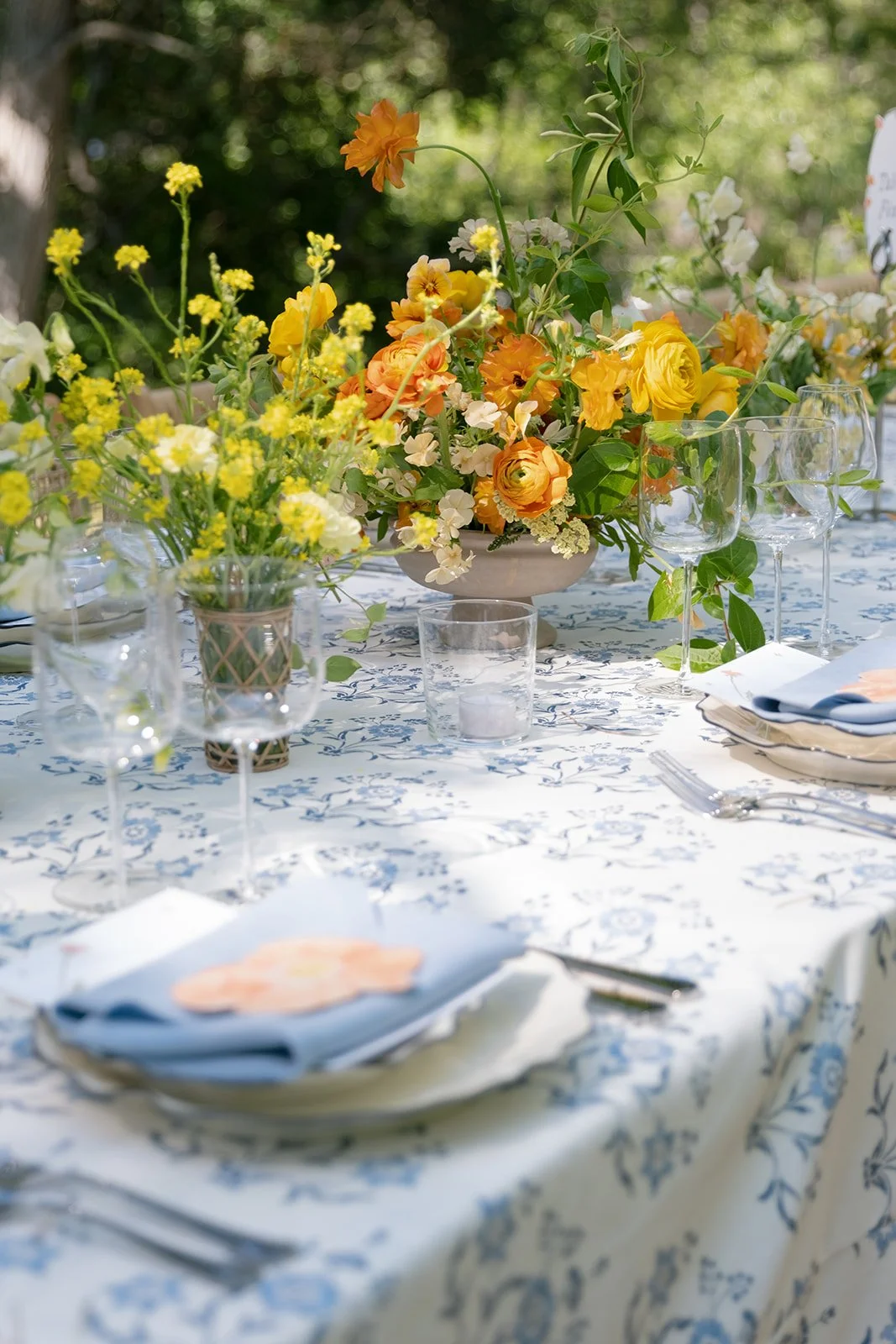
Photography by Alicia Rinka | Planning by Stafford Creative Co | at The Buehler Estate
What This Looks Like in the San Francisco Bay Area Specifically
A few notes for Bay Area couples, because the region has its own rhythms that shape the process:
Venue diversity. Bay Area weddings happen in extraordinarily varied settings — Napa and Sonoma vineyards, Marin redwood groves, San Francisco museums and waterfront venues, Half Moon Bay coastline, private estates across the East Bay. Each setting has its own design language, and the planner-florist collaboration matters even more when the venue is doing strong design work on its own. Florals need to converse with the setting, not compete with it.
Vendor culture. The Bay Area has an exceptional bench of full-service planners and floral designers, and most of us know each other. That's actually a benefit to couples: when your planner brings me in, we've often worked together before. The shorthand and trust is real, and the collaboration is faster and smoother because of it.
Seasonality. California growing seasons are longer and more forgiving than most of the country, which is part of why our wedding season runs roughly April through November. Spring peonies, summer dahlias, fall garden roses, late-season ranunculus — the local farm network here is genuinely world-class, and a Bay Area florist worth their salt is sourcing locally whenever possible.
Logistics. Bay Area venues vary widely in their access, parking, load-in restrictions, and timing rules. Your planner is doing meaningful work translating the venue's specific quirks into a workable day-of plan. (Some of the most beautiful Bay Area venues are also the most logistically intricate. Sonoma and Napa vineyards in particular often have strict noise curfews and strike timing.) Having a full-service planner-florist team that knows these venues is genuinely the difference between smooth and stressful.
Why This Model Works
The reason the planner-florist model produces such strong results is simple: floral design is so much more than decor. It's part of the architecture of the event, and it touches every other design decision, like the rentals, the lighting, the layout, the timeline.
When the florist is part of the planning conversation from the beginning, instead of being handed a finished design and asked to match it, the entire event design gets stronger.
And the best part: all of this happens behind the scenes, so you can show up to your wedding day and just enjoy it. No last-minute scrambles, no conflicting decisions, no surprises. The vision comes to life exactly as you'd imagined, without the hassle on your part.
Let's Talk
If you're planning a wedding in the San Francisco Bay Area and looking for a florist who works hand-in-hand with your planner to create something genuinely yours, I'd love to hear from you.
Already exploring planners? I'm happy to recommend a few I love working with across the Bay Area, Napa, and Sonoma. Just ask!
Related Reading
Inside the Planner-Florist Partnership: How Wedding Floral Design Gets Refined
Inside My Wedding Floral Design Process: A Step-by-Step Client Experience
How much do wedding flowers cost in the San Francisco Bay Area?
10 Questions to Ask Before Booking Your Bay Area Wedding Florist
Frequently Asked Questions
When should we book our wedding florist in the San Francisco Bay Area?
We recommend booking your florist 9-12 months in advance, especially for peak-season dates between May and October. Because we limit the number of weddings we take on each year to maintain a high-touch, full-service experience, our calendar often fills quickly.
Do we need a planner to book a florist with you?
Most of our wedding clients come to us through a full-service planner, but we work with couples directly too. If you don't have a planner yet, we're happy to recommend a few we love collaborating with across the Bay Area.
How much do wedding flowers typically cost in the Bay Area?
Our full-service clients in the San Francisco Bay Area typically invest between $20-45K in florals. A general guideline is to allocate 10-15% of your total wedding budget to florals. For more detail, our Bay Area Wedding Flower Pricing Guide breaks down realistic ranges and what goes into them.
Can we make changes to our floral order after signing the contract?
Absolutely. Plans evolve, and the design is meant to evolve with them. You can make changes up to 30 days before your event. All changes are confirmed via email, and we'll check in with you throughout the process to make sure every detail is right.