Inside the Planner-Florist Partnership: How Wedding Floral Design Gets Refined
One of the greatest benefits of working with a full-service wedding planner is their ability to bring together the right creative partners, including your florist.
When the right creative team is assembled early, it allows for deeper collaboration and a more cohesive event design. Hiring your florist is just the beginning of the floral design process! From there, your planner and florist work together to refine the design direction, coordinate with other vendors, and translate the overall vision into florals that are both beautiful and realistic to execute on the wedding day.
Below is a look at what the planner-florist collaboration typically involves, how your floral design evolves behind the scenes, and a few tips to help the process run smoothly.
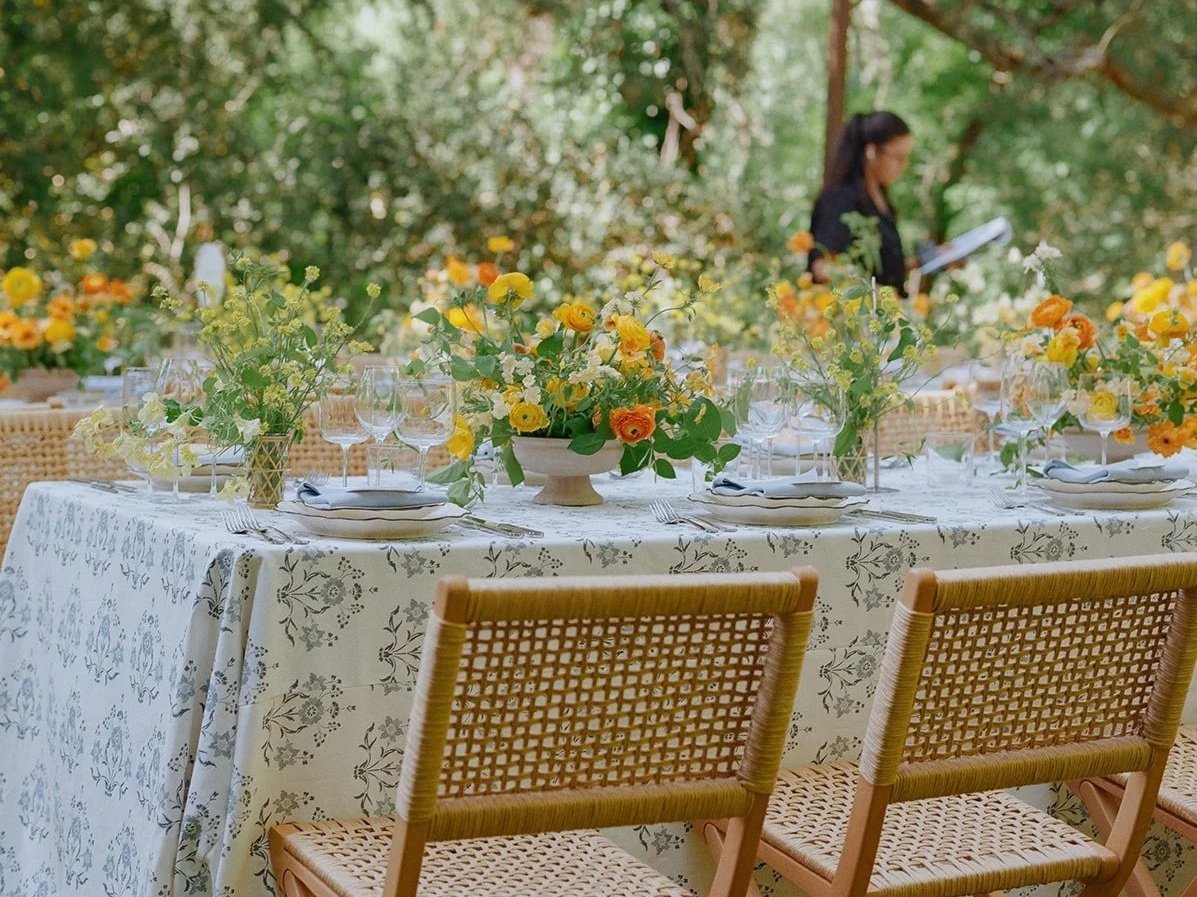
Planning by Stafford Creative Co | Photography by Alicia Rinka
Why Planners and Florists Work So Closely
Florals for weddings and events do not exist in a silo. They are part of a larger creative design that includes linens, dinnerware, glassware, rentals, candles, lighting, and more.
Experienced planners understand this and bring florists into the conversation early, so that together they can balance the following:
aesthetics
budget
logistics
installation timing
guest experience
While your florist is responsible for the ingredients, design, production, and installation of all the floral elements, your planner helps keep the entire visual ecosystem aligned. So valuable!
A quick clarification about full-service wedding planning vs. month-of or day-of coordination. This blog post focuses specifically on full-service planning relationships, where the planner develops the overall design direction, curates the vendor team, collaborates closely with the florist, and refines all the details. This is different from a coordinator who enters the picture closer to the event to manage logistics and is not typically involved in shaping the design direction.
Once you’ve booked your florist through your planner, here’s what actually happens behind the scenes as we move through several stages of the process together.
What Actually Happens After You Book Your Wedding Florist Through Your Planner
1. Alignment on the Overall Design Direction
Early in the planning process, a full-service planner will typically share a brief design overview with the entire creative team, including the florist. It outlines the overall tone, aesthetic direction, palette, and scale of the event, and it helps us begin to understand who you are as a couple and the elements of your celebration that matter most to you.
Using the planner’s design direction as an initial foundation, your florist develops an initial floral-specific design concept. As the process evolves, this expands into a comprehensive design deck that may include palette refinement, ingredient ideas, vessel recommendations, and digital renderings to help visualize key moments.
This deck is typically reviewed together with the planner and couple as the design continues to take shape.
2. Establishing a Communication Framework
One of the biggest benefits of hiring a full-service planner is that they act as the central point of communication for the entire creative team on behalf of the couple.
Florists and planners are often in regular contact behind the scenes, sharing updates, refining details, scheduling meetings, site visits, and mockups, and coordinating with other vendors.
Exactly how communication flows can vary slightly depending on the planner’s preferred process. Some planners prefer to keep most conversations centralized, while others include the couple in certain design discussions along the way. In general, florists defer to the planner’s communication structure so that the process stays clear and organized for everyone involved.
For couples, this usually means you’ll be brought in at key decision points, while your planner and florist handle the day-to-day coordination that keeps everything moving smoothly.
3. Shaping the Floral Budget
Experienced planners generally have a solid sense of what flowers cost. They also know that design-forward floral design is highly custom, and pricing can vary widely depending on scale, ingredients, and complexity. This is where the planner-florist collaboration becomes especially valuable.
Based on your overall budget, your planner and florist will work together to balance your design vision with the most impactful use of resources. For example, we might:
shift investment toward statement installations or focal moments
simplify smaller, less impactful areas
refine quantities or arrangement styles
adjust specific flower varieties without sacrificing the overall design direction
talk through repurposing options that are logistically feasible and extend your budget
Together we prioritize where florals will have the greatest visual impact throughout your event.
Side note: If you’re curious about typical floral investment ranges, I put together this guide for couples and planners that breaks down realistic pricing for wedding flowers in Northern California.
4. Selecting Floral Ingredients & Vessels
This is where your florist really nerds out :)
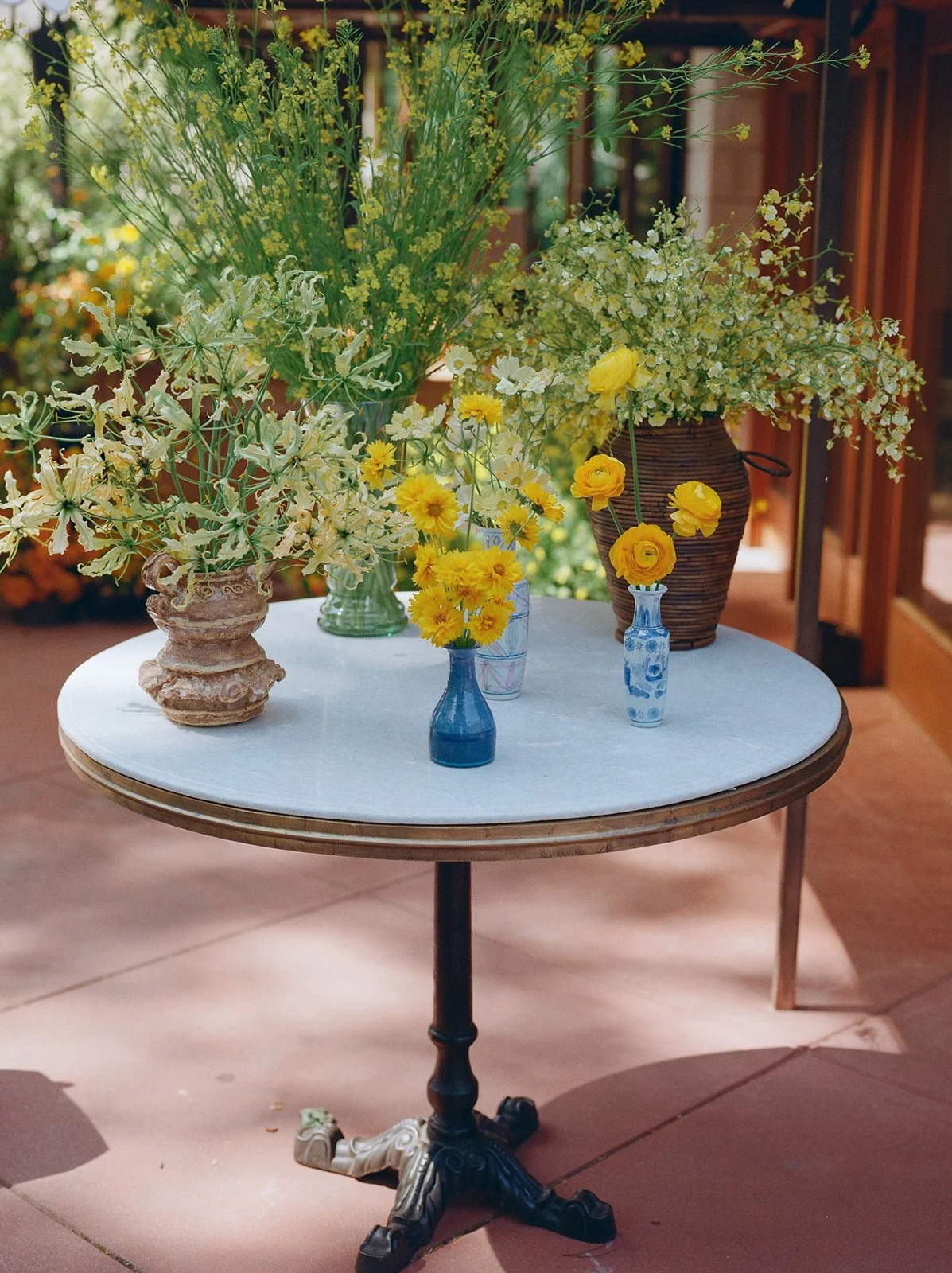
Maybe surprising, but the exact vessels and floral ingredients are often not finalized until about 6–8 weeks before the wedding. By that point we have a much clearer picture of what’s happening in the flower world and can make decisions that result in the strongest, most beautiful designs.
A few factors that influence these final selections include:
what’s actually blooming well (this shifts based on weather)
which colors are looking best that season
what farms are producing particularly strong product
how the flowers interact with other design elements like linens, glassware, and tabletop details
5. Scaling the Designs to the Space
This is where venue walkthroughs and tablescape mockups become incredibly helpful. Standing in the actual space or seeing the full table setup often reveals things that aren’t obvious in a design deck, such as spacing, proportions, and sightlines.
Venue site visits
During venue walkthroughs, planners and florists work through ideas in real time. For example, we may stand in the ceremony aisle and ask:
Where will the couple stand during the vows?
Will the florals be blocking important angles for guests and photographer or videographer?
Does the scale of the arrangements proposed feel appropriate for the space?
Tablescape mockups
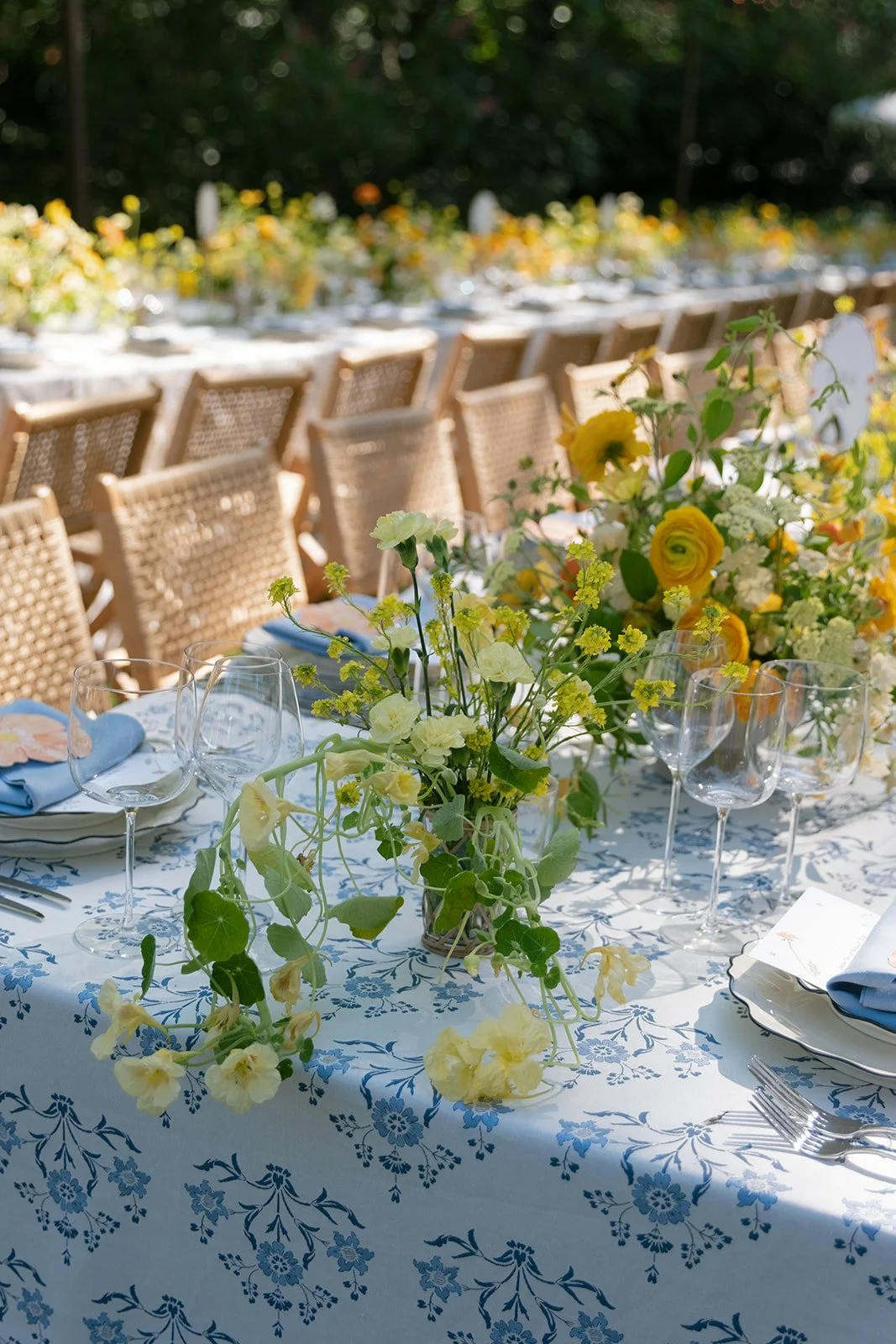
Seeing the linens, dinnerware, glassware, candles, and florals together allows us to evaluate how everything interacts. We’ll use the mockup to balance details like:
arrangement height and overall scale
candle height and placement
vessel size and tone
tabletop items and paper goods
If the table setting feels too crowded or too empty, we’ll have an opportunity to fine-tune it.
The adjustments are usually subtle, but they’re often what make the final design feel polished once everything comes together in the room.
6. Finalizing the Smoothest of Logistics
Okay, this is the part couples rarely think about. And that’s a good thing!
By this stage, planners and florists are working through dozens of small logistical details so the design can actually be executed smoothly on the wedding day. Much of this happens behind the scenes in collaboration with other vendors, especially teams like lighting, rentals, and the venue.
For example, floral installations may need to coordinate with a lighting team for rigging points or with rental teams for timing around table setup.
During this phase, planners and florists are refining details like:
venue access and load-in times
installation windows for the floral team
ceremony flips or repurposing arrangements
ladder, lift, or rigging needs for larger installations
venue rules and restrictions
strike timing and breakdown at the end of the night
Boring? A bit. But very important!
These details allow the day to run smoothly without couples needing to worry about any of the behind-the-scenes logistics.
For Couples: How to Get the Most Out of Your Planner-Florist Team
A great planner-florist collaboration works best when couples share their vision and priorities, then allow the creative team to refine the details. Here are a few ways to make that process smooth and productive.
Trust the creative team: You hired your planner and florist for their taste and experience. Giving them space to refine the design often leads to the best results.
Communicate your priorities clearly: If certain moments matter most to you, like the ceremony backdrop or dinner tables, let your team know. This helps us allocate design energy and budget where it will have the most impact.
Share inspiration, but avoid constant additions: Pinterest is a great starting point, but continuously adding new ideas late in the process can make it harder to refine a cohesive design direction.
Tell us what you love, or simply what you don’t: If it’s hard to articulate exactly what you want, sometimes knowing what you don’t want is just as helpful!
Be open to adjustments: If your planner or florist suggest changes to vessels, flower varieties, or scale, it’s usually in service of the bigger picture. Small refinements are what help the final design feel balanced and intentional.
Allow the design to evolve: Some of the best ideas strike as the planner, florist, and other vendors are finalizing the details together. Be open to it!
For Planners: What Makes a Great Floral Collaboration
There are small things that help establish a relationship that feels easy, productive, and creatively rewarding from the start.
Strong collaborations usually include:
Early and ongoing design conversations: Florists appreciate when planners bring them into design conversations early, rather than asking them to simply match a finished concept. When we can collaborate from the beginning and throughout the process (think, rental selections) the end result is that much more powerful.
A brief client introduction: A quick video introduction with the couple before they officially hire their florist is so impactful! This ideally happens after the planner and florist have reviewed the proposal together. It gives everyone a chance to meet and make sure the chemistry feels right.
Realistic floral budget expectations: Planners who help couples establish realistic floral budgets early make the entire design process far more productive.
Flagging the VIP tables: Think parents, grandparents, or the couple’s closest friends. Using this little tidbit, I love adding an extra layer of attention to these tables.
Sharing the full vendor list early: Including Instagram handles is incredibly helpful so vendors can credit each other properly and collaborate more thoughtfully.
Being upfront about extra floral asks: Details like flat-lay flowers, cake flowers, and signage moments should be accounted for in the proposal (cough cough, not during the setup). This keeps things smooth and avoids last-minute scrambling.
Advance scheduling for calls, meetings, or mockups: Creative work benefits from a bit of breathing room. Scheduling design calls, walkthroughs, or mockups with some lead time allows everyone to come prepared.
Sharing evolving floor plans: When planners share updated layouts early, floral teams can refine and scale designs proactively rather than rushing adjustments in the final days.
Sharing the master timeline early: Detailed timelines help floral teams coordinate installation with photographers, rentals, lighting teams, and venues.
Mutual respect: The best collaborations happen when planners and florists see each other as creative partners. We each bring different expertise to the table, but the goal is the same: creating a seamless, beautiful experience for the couple and their guests. Same team!
Why The Planner-Florist Collaboration Matters
When planners and florists collaborate closely, floral design becomes so much more than decor. It becomes part of the architecture of the event, and well worth the investment.
And the best part is: all of this work happens behind the scenes, so couples can simply enjoy the experience and the finished result: a celebration that feels intentional, balanced, beautiful, and stress-free.
Frequently Asked Questions About Working With a Wedding Florist
How much do wedding flowers cost in San Francisco?
Investment amounts will vary depending on your vision and guest count. A general guideline is to allocate 10-15% of your total wedding budget to florals. Our full-service clients in the San Francisco Bay Area typically invest between $20-45K in florals. If you’re curious about what goes into this investment and how to make the most of your floral budget, check out this blogpost we wrote here or access our pricing guide here.
How far in advance should we book a wedding florist in San Francisco?
If you’re planning a wedding in the San Francisco Bay Area with a planner, we suggest reaching out as soon as your venue and date are secured. We recommend booking your wedding florist 9-12 months in advance, especially for peak season dates between May and October. Because we limit the number of weddings we take on each year to maintain a high-touch, full-service experience, our calendar often fills quickly.
Can we make changes to our floral order after signing the contract?
Absolutely. We understand that plans evolve. You can make changes to your order up until 30 days before your event to ensure we can meet your needs seamlessly. Any changes will be confirmed via email for accuracy, and we’ll check in with you throughout the process to review all the details.