Sustainability in Floral Design: 15 Conscious Practices I Use in My San Francisco Studio (& what needs improvement)
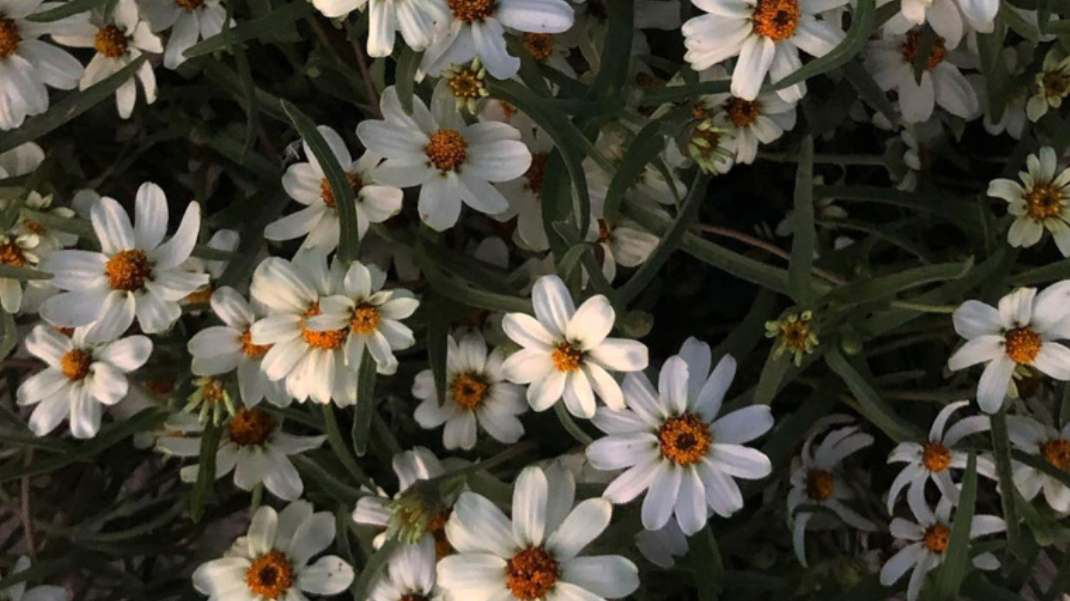
Image from GC Flower Collective
The term “sustainability” is used often in the wedding and event world of flowers, usually reduced to ideas like foam-free design or seasonal flowers. But in practice, there are many small choices that shape how florists source, design, and operate day to day.
Why Sustainability Matters in Wedding & Event Floral Design
Despite being rooted in natural materials, the cut flower industry carries a very real environmental footprint. Long-distance transport, plastic packaging, and disposable mechanics to name a few have long been industry norms built around efficiency and scale.
For me, sustainable wedding and event floral design means making intentional choices big and small whenever possible: sourcing locally, reducing waste, reusing materials, and designing thoughtfully so beauty and environmental responsibility can coexist. Some practices are well established in my workflow, while others are still evolving. I’m a work in progress!
Here are 15 conscious practices I’m embracing in my floral design business.

The Borrowed Garden, a small-scale flower farm located in the East Bay, California.
15 Conscious Practices I Use in My Wedding & Event Floral Studio
1. Sustainably sourcing local flowers whenever possible
Supporting and sourcing from local farms and growers strengthens local agriculture and economy and reduces long-distance transportation. Plus, seasonal flowers are often longer lasting, not chemically treated, come with less packaging, and are that much more special (because, fleeting!).
2. Ordering flowers intentionally to reduce waste
Flowers are precious materials, and thoughtful ordering is one of the simplest ways to reduce waste. Careful recipe planning and ordering helps minimize excess stems, and tools like EveryStem have totally changed the game!
3. Foam-free and low-waste floral design techniques
Floral foam (once, and still, a very popular mechanic in floral designs a single-use, petroleum-based plastic that cannot be reused or recycled. Chicken wire, pin frogs, moss, Oshun pouch, Agrawool, and reusable armatures are excellent alternatives for installation work and everyday design, and can be used again and again.
4. Leaning into alternative natural decor
Lately, floral design trends extend beyond flowers and I’m totally okay with that! Because alternatives like potted plants, branches, stones, fruits and vegetables, and meaningful objects of art can play a really cool role in event design, adding texture and personality. Plus, they can be thrifted, responsibly foraged, reused, replanted, eaten, or kept after the event, reducing waste.
5. Designing floral installations to be repurposed
If timelines, design scope, and logistics allow, designing ceremony arrangements and installations so they can be moved and enjoyed again during the reception is a go-to way to reduce waste without compromising design or impact.
6. Composting floral waste responsibly
Green waste from my studio and installs is separated from non-compostables like zip ties, floral tape, wire, and rubber bands, then composted so flowers can return to the soil rather than the landfill.
7. Compostable and reusable packing materials
Any flower boxes, tissue paper, newspaper, bubble wrap, and other packing materials from wholesalers are always repurposed as packing materials for installs and event days.
8. Building an inventory of reusable flower vessels
For vessels and vases, I’m leaning away from online wholesale sources and leaning into sourcing secondhand via local thrift stores and antique shops, supporting local makers like ceramicists, and embracing rental sources whenever possible so that I can continue to reuse vessels for designs.
9. Returning buckets and rubber bands to flower farmers
This might seem like a small thing, but it makes a real difference for small growers who are also working hard to reduce waste and operating costs.
10. Donating free materials and supplies back to the community
Leftover materials like vases, containers, candles, and floral supplies are donated to my local community. This is a simple way to keep usable materials out of the landfill while supporting creativity and gatherings beyond the event day.
11. Digital workflows and virtual tablescape mockups
My workflow is largely paperless in an effort to reduce waste. Offering digital design mockups (i.e. tablescapes, which are often presented physically in-person) helps communicate visual ideas clearly while reducing material use and travel when it isn’t necessary.
12. Educating wedding & event clients about sustainable flower choices
Proactively informing my clients of seasonal availability, thoughtful repurposing options, and harmful trends like spray paint/dye/invasive species via my website, blog, social media, newsletter, initial consultation, and proposal has been hugely helpful. I’ll always provide alternatives for achieving a similar vibe!
13. Consolidating delivery, pickup, and market runs
When possible, batching errands into dedicated “driving days” helps reduce unnecessary time on the road and transportation emissions.
14. Prioritizing original design thinking over AI-generated imagery
AI-generated floral imagery often shows impossible season combinations and unrealistic stem density, and can be much more energy-intensive than other tools. I avoid using AI-generated inspiration imagery (including turning off AI-generated results in tools like Pinterest) and instead draw inspiration from nature, the season, color palettes, and client collaboration to keep my design process grounded.
15. Resisting algorithm-driven creative pressure
Meeting the pace and pressure of social media is a battle we will never win 🙃. I find myself prioritizing a slower, more intentional process of sharing my work that is grounded in real clients, real materials, real experience, and real events… instead of an algorithm.
Sustainability in Floristry Is an Ongoing Process
Progress over perfection, right? Some areas I’m still looking to improve include:
Reducing reliance on novelty imports
Expanding my reusable vessel inventory
Move fully away from Amazon in support of locally owned or small businesses
Investing back into the broader community through my skills, resources, and services
[fill in the blank] because I know there’s so much more than can be done here
SO, here I am nowhere near the finish line of sustainability, welcoming any new opportunities to do things a little better than before. If you’re a florist, hopefully some of these ideas spark ideas for you. And I’d genuinely love to hear what you do in your studio that I can learn from and add into my own sustainability efforts. Please comment with tips!